Understanding Ductless AC Systems
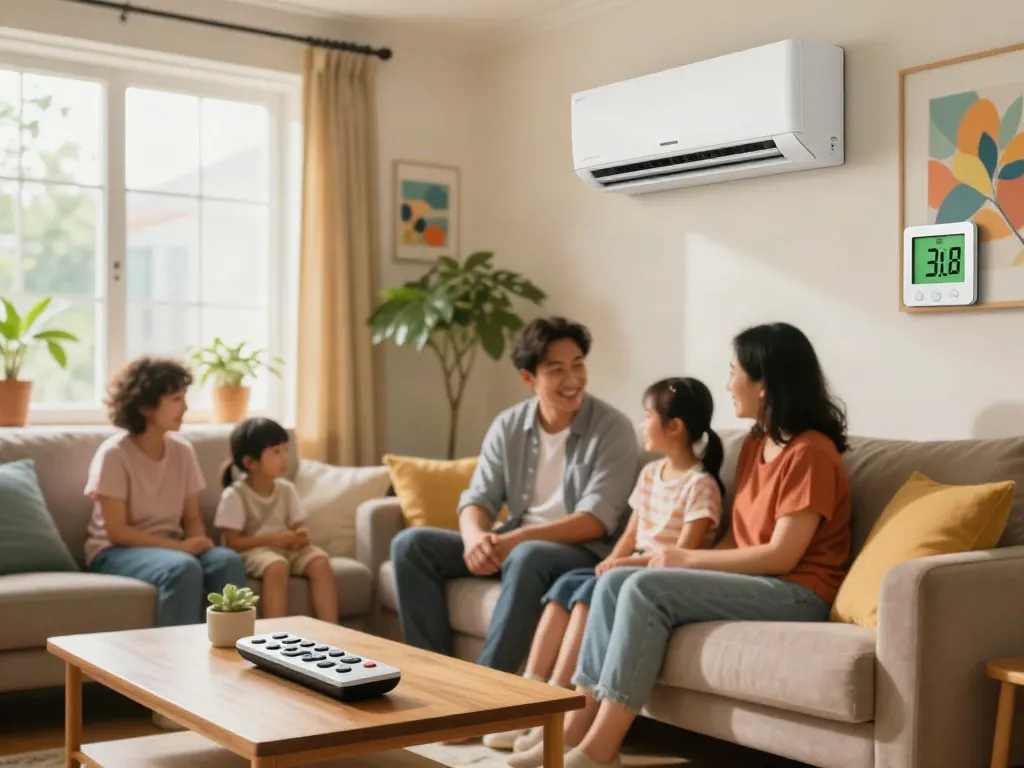
Ductless air conditioning systems, commonly referred to as ductless AC, are becoming increasingly popular for homeowners seeking efficient and effective climate control. Unlike traditional HVAC systems that rely on extensive ductwork, these systems provide a streamlined solution that is both space-saving and cost-effective. Ductless AC units consist of an outdoor compressor unit that connects to one or more indoor air handlers, allowing for flexible installation and precise temperature control in individual rooms. When exploring options, ductless ac systems offer a range of features tailored to modern living needs.
What Is a Ductless AC?
A ductless AC system is a type of mini-split air conditioning unit that operates without the need for ductwork. It consists of two main components: an outdoor unit that houses the compressor and an indoor air-handling unit that distributes conditioned air. This configuration allows ductless AC systems to provide both heating and cooling capabilities, making them versatile options for year-round comfort.
How Ductless AC Differs from Traditional Systems
Traditional HVAC systems rely on ductwork to circulate air throughout a home, which can lead to energy loss and reduced efficiency. In contrast, ductless AC systems deliver cooled or heated air directly to specific areas, ensuring minimal energy waste and improved comfort levels. This design not only reduces installation costs but also allows homeowners to install systems in spaces without existing ducting, such as renovations or additions.
Key Components of a Ductless AC Setup
A typical ductless AC setup includes several key components:
- Outdoor Unit: Contains the compressor and condenser, which expels heat from the refrigerant.
- Indoor Unit: Distributes conditioned air into the living space, often mounted on walls or ceilings.
- Refrigerant Lines: Connect the outdoor unit to the indoor unit, allowing for heat exchange.
- Remote Control or Smart Thermostat: Provides user-friendly operation and the ability to set specific temperatures for individual rooms.
Benefits of Ductless AC for Homeowners
Energy Efficiency and Cost Savings
One of the most significant advantages of ductless AC systems is their energy efficiency. By eliminating the need for ductwork, these systems reduce energy loss associated with traditional HVAC systems. Many models are equipped with inverter technology, which allows the compressor to adjust its speed according to demand, further enhancing energy efficiency. Homeowners can expect lower utility bills, especially during peak cooling or heating seasons.
Flexible Installation Options
Ductless AC systems offer remarkable flexibility in terms of installation. They are ideal for a variety of scenarios, including:
- Older homes without existing ductwork
- Room additions and conversions
- Garages, workshops, or other non-traditional living spaces
Installation is often quicker and less invasive than traditional systems, with many units requiring only a small hole to connect the refrigerant lines.
Improved Indoor Air Quality
Because ductless AC systems operate without ducts, they don’t circulate dust, allergens, or other airborne pollutants commonly found in ducted systems. Many models also come with advanced filtration systems that improve indoor air quality by capturing contaminants. This is particularly beneficial for allergy sufferers or those with respiratory conditions.
Choosing the Right Ductless AC System
Factors to Consider When Selecting a Model
When selecting a ductless AC system, several factors should be considered:
- Size of the Space: Proper sizing is crucial for optimal performance. Oversized units can lead to short cycling, while undersized units may struggle to maintain comfortable temperatures.
- Cooling and Heating Capacity: Measured in BTUs (British Thermal Units), capacity determines how effectively the unit can cool or heat a room.
- Energy Efficiency Rating: Look for Energy Efficiency Ratio (EER) or Seasonal Energy Efficiency Ratio (SEER) ratings to evaluate efficiency.
- Installation Requirements: Assess the installation constraints of your home to determine the best placement for units.
Comparing Brands and Features
There are numerous brands of ductless AC systems on the market, each offering unique features. Important aspects to compare include:
- Warranty and customer service
- Smart features such as Wi-Fi control and programmable settings
- Noise levels, which can vary significantly between models
- Filter types and maintenance requirements
Installation Requirements and Costs
Installation costs for ductless AC systems can vary based on the complexity of the setup and the number of indoor units required. Generally, costs range from $3,000 to $5,000 for a single-zone system. Multi-zone systems will increase in cost, depending on the number of units. It’s advisable to obtain quotes from multiple professionals to ensure a competitive rate and quality installation.
Common Challenges and Misconceptions
Debunking Myths About Ductless Systems
Despite their growing popularity, ductless AC systems are often misunderstood. Common myths include:
- Ductless Systems are Noisy: While some earlier models had higher noise levels, modern units are designed for quiet operation, making them suitable for bedrooms and living areas.
- Installation is Complicated: In reality, installation is generally straightforward, with professionals able to complete the job in a matter of hours.
- They are Only for New Builds: Many homeowners retrofit ductless systems into existing homes, making them a versatile choice.
Understanding Noise Levels and Aesthetic Impact
Noise levels can be a concern for some homeowners, but most ductless AC systems operate at sound levels comparable to a refrigerator. Furthermore, indoor units are sleekly designed and available in various styles, allowing them to blend seamlessly with home décor. Options include wall-mounted, ceiling-mounted, and floor-mounted units, catering to different aesthetic preferences.
Addressing Installation Concerns
Many homeowners worry about the visibility of indoor units and the installation process. Modern ductless AC models offer a range of options that can be discreetly integrated into existing spaces. Additionally, professional installation can ensure minimal disruption and proper execution.
Future Trends in Ductless AC Technology
Innovations and Smart Features for 2026
The ductless AC market is rapidly evolving, with numerous innovations enhancing performance and user experience. Features to look out for in 2026 include:
- Integration with smart home systems for more comprehensive climate control
- Advanced filtration technologies, including UV purification
- Improved inverter technology for even greater energy savings
The Role of IoT in Home Climate Control
The Internet of Things (IoT) is playing a significant role in the evolution of home climate control. Ductless AC systems equipped with IoT capabilities allow homeowners to monitor and manage energy consumption remotely, providing insights into usage patterns and opportunities for savings.
Market Predictions and Emerging Brands
The ductless AC market is anticipated to grow significantly as homeowners seek more efficient and flexible cooling and heating solutions. Emerging brands are continually innovating, providing specialized products that cater to specific needs, such as high-efficiency models or systems designed for extreme climates.
What Are the Maintenance Needs of Ductless AC Systems?
Routine maintenance is essential for maximizing the lifespan and efficiency of ductless AC systems. Key maintenance tasks include:
- Regularly cleaning or replacing filters
- Checking and sealing refrigerant lines for leaks
- Scheduling annual professional inspections to ensure system integrity
How Long Does a Ductless AC System Last?
With proper maintenance, ductless AC systems can last between 15 to 20 years. Regular upkeep and prompt repairs can extend the lifespan, providing reliable comfort for years to come.
Can Ductless AC Systems Be Used in Multiple Rooms?
Yes, ductless AC systems are highly versatile and can be configured to service multiple rooms. Multi-zone configurations allow homeowners to install multiple indoor units connected to a single outdoor compressor, providing tailored comfort throughout the home.
What Are the Installation Costs for Ductless AC?
Installation costs for ductless AC units can vary widely based on the model, number of indoor units, and specific home requirements. Homeowners should budget anywhere from $3,000 to $10,000, depending on the complexity of the installation.
Are Ductless AC Systems Energy Efficient?
Ductless AC systems are known for their energy efficiency, especially compared to traditional HVAC systems. Many models boast SEER ratings above 20, making them an environmentally friendly choice that can significantly reduce energy costs.
What Size Ductless AC Do I Need for My Room?
The size of a ductless AC unit needed for a room is determined by the room’s square footage, insulation quality, and sun exposure. A professional can help calculate the appropriate BTUs required to effectively cool or heat a specific space.